
Archive recovered in November 2026. The header date refers to the original appearance; this entry provides context and is not a verbatim transcript.
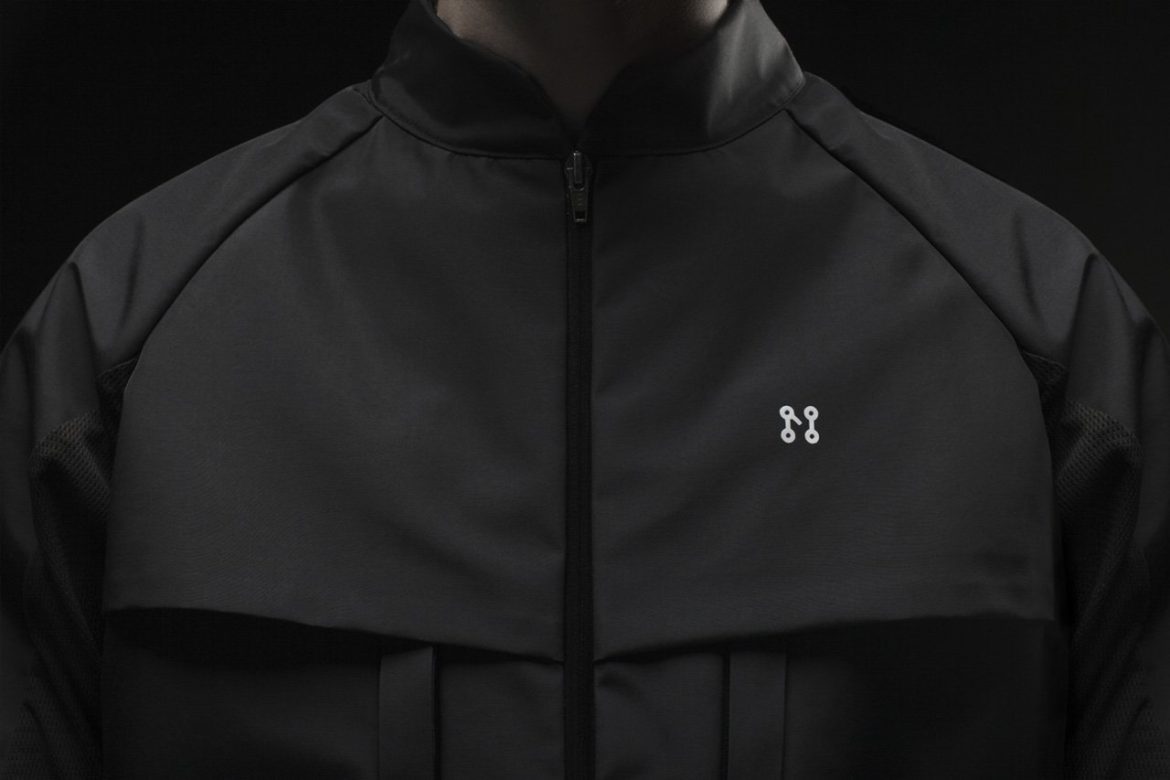
On 3 May 2019 I contributed to Sara Rivas Moreno’s El País Retina report on smart clothing. I recover that reference alongside materials from my work with Machina.
Designing a garment and an interaction
Working with technological clothing means considering two relationships at once. A garment is worn on a body and communicates identity; a device proposes actions and needs to provide understandable responses. Resolving one does not ensure the other will work.
A component may be compelling in a demonstration yet prove difficult to integrate into clothing. Development needs to consider movement, placement, connections and maintenance. People also need to understand what the object does and when using it makes sense.
Work continues after the prototype
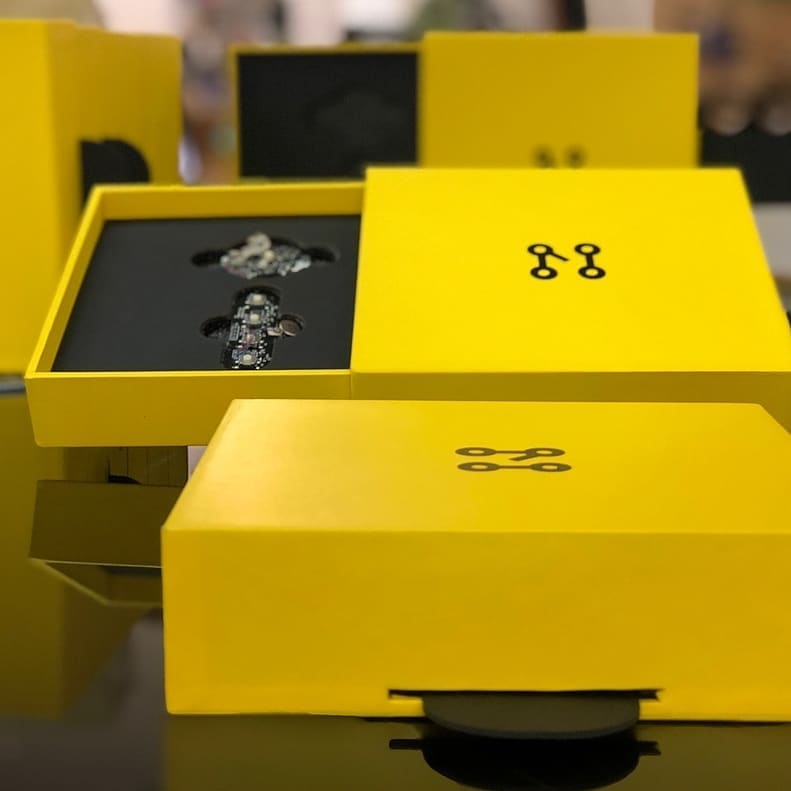
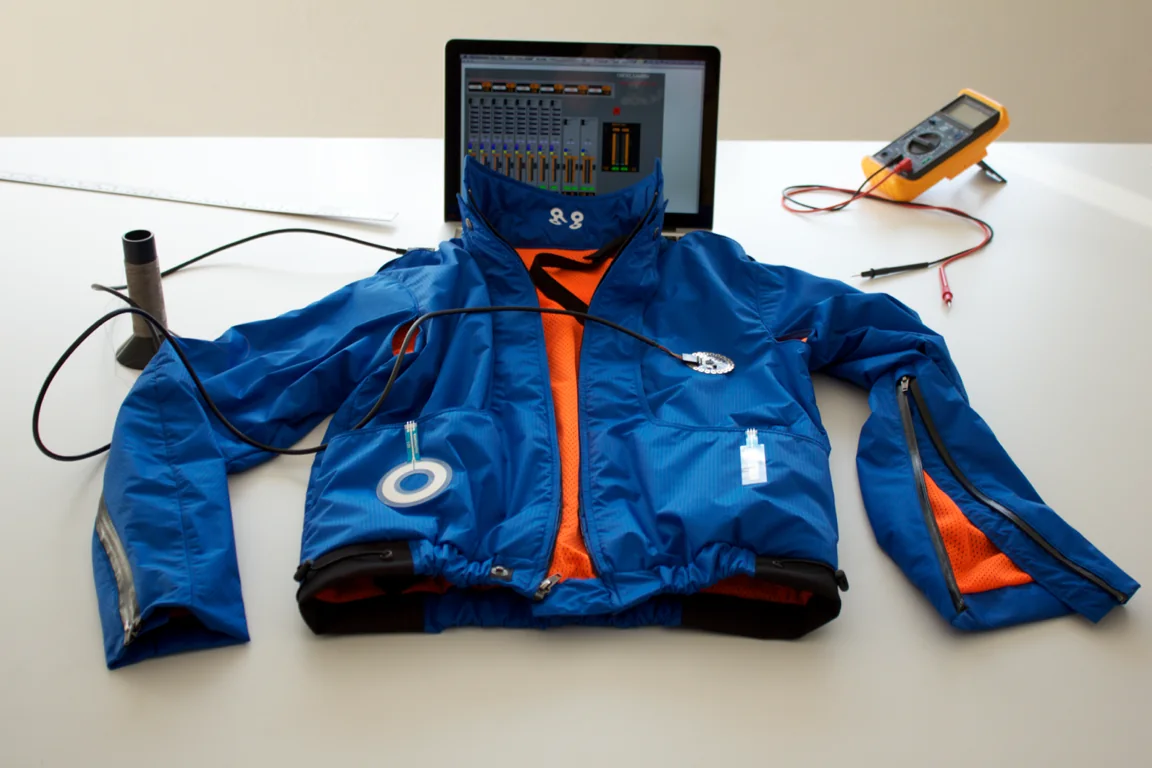
The archive images show different aspects of Machina’s development: garments, devices and integration experiments. They help explain the questions that emerge when an idea leaves the screen and becomes a physical object.
An architectural decision may simplify one part of a system while requiring new checks elsewhere. Separating components, changing their position and revisiting an interaction are ways to seek a solution that holds up in use. Aesthetics and engineering need to remain in conversation throughout.
A product within a larger experience
Interface work continues beyond the physical piece. Instructions, a companion application and status information affect what people can do. The relationship between those parts needs to be understandable without knowledge of the project’s internal structure.
This is an editorial reflection on my design practice, accompanied by archive material. The journalistic report has its own author and development; the El País link preserves that reference without reproducing the article.
Connecting those paths places a period of my career where creativity, electronics and user experience met within one product.
Another entry in my career archive: EOI in La Palma, 2018: Machina in China and the lessons of wearable manufacturing.