
Archive recovered in November 2026. The header date refers to the original appearance; this entry provides context and is not a verbatim transcript.
On 1 July 2011 I delivered “Apps and location: opportunities for geomarketing” at IED Madrid. The surviving 39-slide presentation identifies me as WECOLAB’s CEO. It captures a period when phones were becoming a continuous point of contact between people, services and places.
The session was not simply about displaying maps. Its question was how to design something worth the attention of the person carrying the device. Access to geographical position created possibilities, but a meaningful service still had to be designed.

Context changes an experience
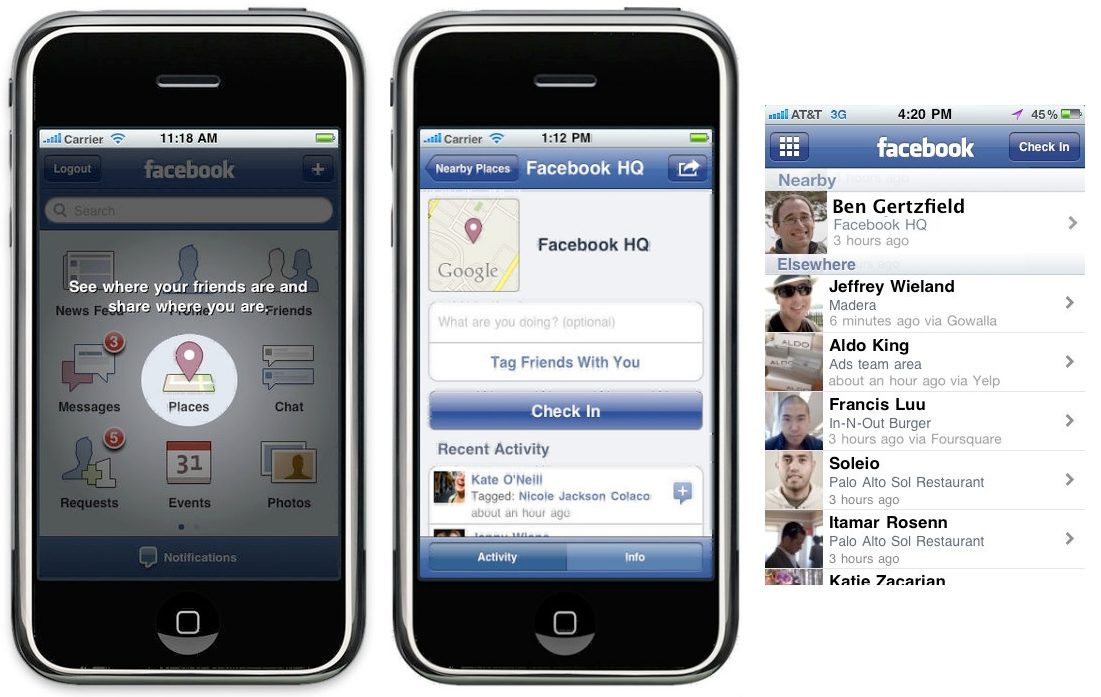
The material reviewed GPS, notifications, accelerometers and multi-touch screens. Together, these capabilities suggested services beyond a website squeezed onto a smaller screen. A recommendation could respond to location, timing and what someone wanted to do.
That connected communication with product design. Proximity might help someone discover a place or join an activity; it might also create an interruption. A project needed to justify both the attention and the information it requested.
Foursquare and geographical participation
Foursquare formed a section of the presentation. Check-ins, reputation and recommendations illustrated a service built through participant contributions. The slide figures are historical, rather than a description of the platform today.
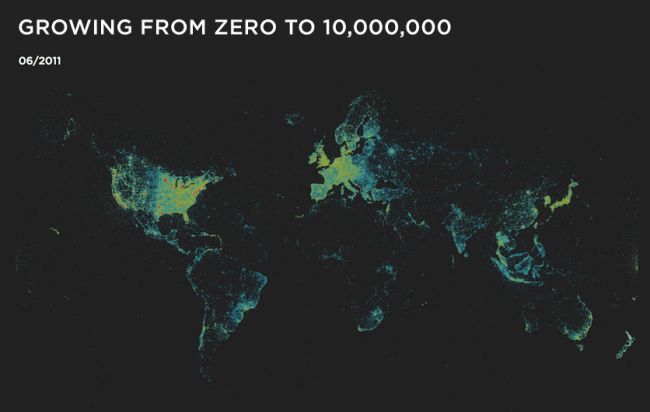
The session compared proposals and ways to integrate with existing services. The relationship between incentive and contribution mattered: what did a person receive for sharing a location, and what experience did that information support?
Usefulness before a request for data
Privacy already appeared as a question in the original document. Reading that section today requires perspective. Receiving a benefit does not remove the need for limits and control. I would now frame that choice as informed, specific and reversible.
The masterclass belongs to the thread connecting my interactive-communication work with experience design. Tools change; understanding why someone would want to use them remains essential. IED’s link identifies the institution, while W3C provides current technical documentation. Neither is presented as evidence of commercial outcomes from the session.
Another appearance from my current archive: Yorokobu, January 2011: WakeApp and seven keys to successful branded apps.