

Archive recovered in November 2026. The header date refers to the original appearance; this entry provides context and is not a verbatim transcript.
On 18 November 2022 I taught a The Valley session on “Ethical challenges of technological society”. The preserved syllabus and presentation place its purpose: connecting emerging technologies with the decisions and responsibilities involved in developing them.
The documentation covers artificial intelligence, extended reality, digital identities and other capabilities. It offers a view of that moment to raise questions about people and organisations, rather than a list of products to adopt unquestioningly.
From technical capability to a decision
Technology can expand what is possible while leaving open what we should do. Designing a service means choosing which information to request, which actions to permit and how much opportunity people retain to understand what is happening.
Ethics belongs within those decisions. It can become practical through questions about purpose, access, explanation and correction. If reserved for a statement at the end, it loses much of its ability to guide design.
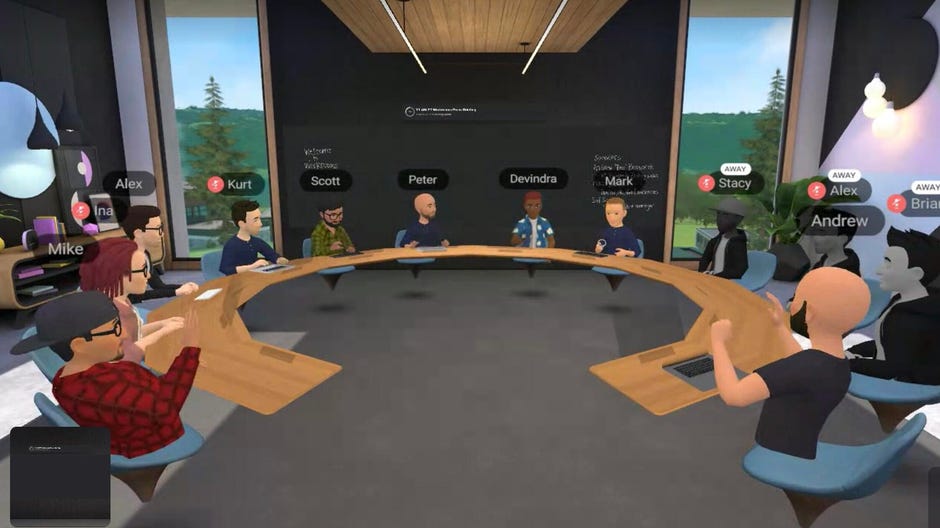
Context changes a tool’s value
A virtual meeting, an assistance app and a content-generation system have different relationships with their users. The same technical capability can help in one situation and create difficulties in another.
Specific scenarios matter: who uses the system, who is affected and what happens when it fails. We also need to recognise uncertainty and establish how decisions will be reviewed when new evidence appears.
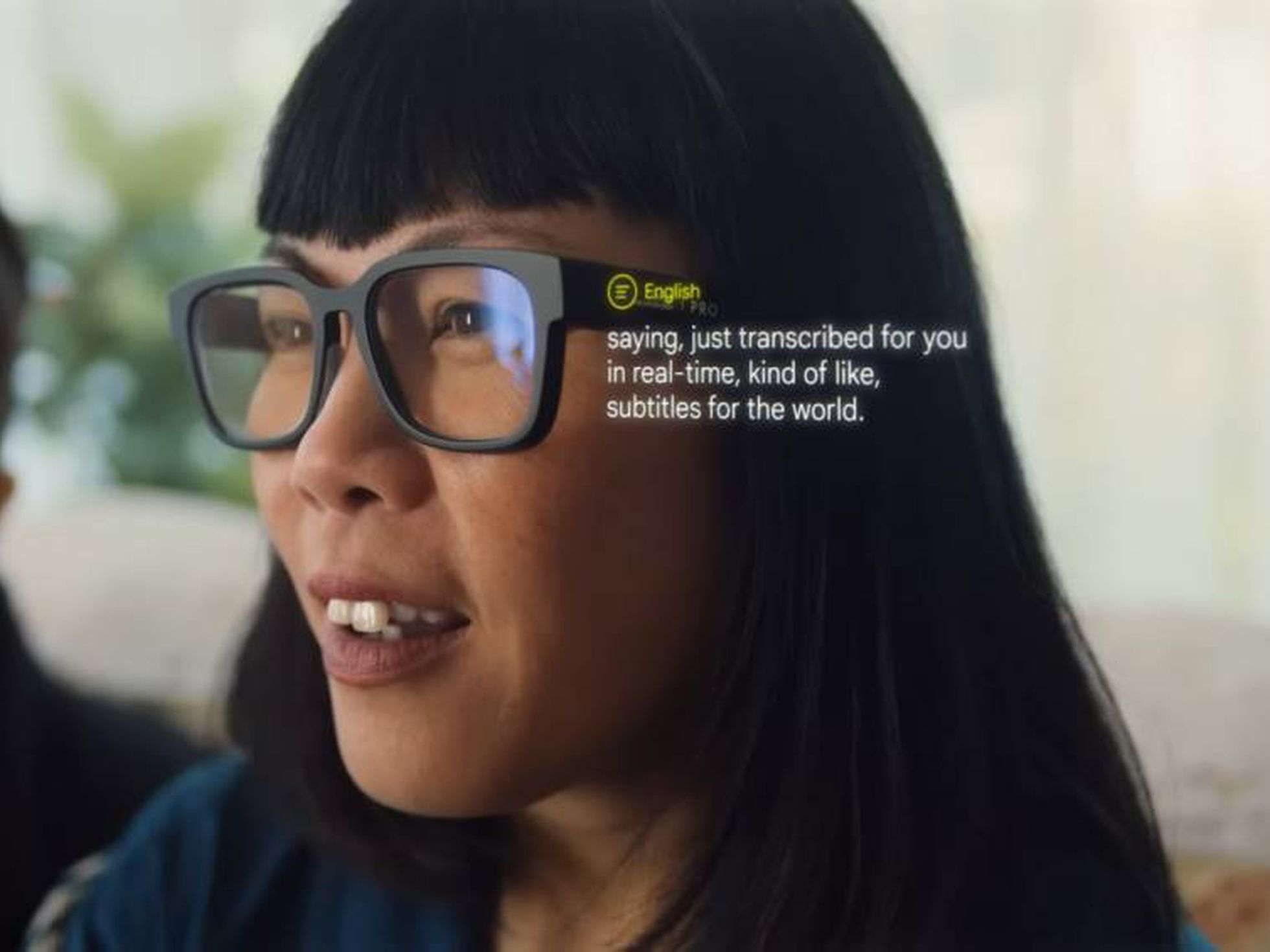
A framework for discussion
UNESCO’s Recommendation on AI ethics, adopted in 2021, provides an institutional reference centred on human rights and dignity. It is linked as context for further analysis alongside the current technohumanist manifesto.
The Valley session belongs to my teaching on technology’s relationship with people. It also connects with design practice: understand the problem, make criteria explicit and remain responsible for reviewing outcomes.
Another entry in my career archive: Aislados Conectados 2020: technohumanism, artificial intelligence and a second renaissance.