
Archive recovered in November 2026. The date refers to the original appearance; this text adds context and is not a verbatim transcript.
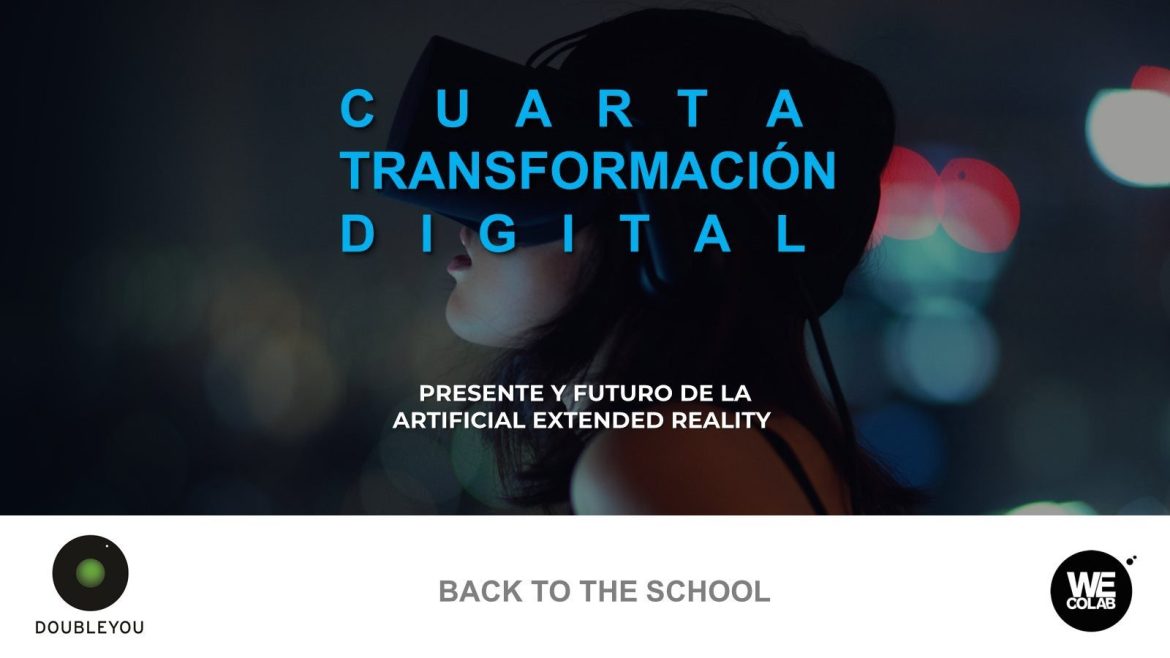
On 12 April 2019 I returned to DoubleYou in Madrid for Back to the School. My talk was titled “Present and future of artificial extended reality”. Returning to an agency that belongs to my professional history gave the session a particular meaning: connecting interactive creativity with emerging relationships between people and technology.
The presentation opened with a career overview identifying DoubleYou in 1999. This is the W period; WYSIWYG belongs to a later chapter, beginning in 2001. Preserving that chronology helps explain the connections between advertising, interaction design and immersive technologies.
From touching to feeling
The central thread was digital transformation and the move from touch interfaces towards experiences involving gaze, gestures, voice and movement. Discussing extended reality meant distinguishing virtual, augmented and mixed reality, then asking how each changes the designer’s work.
An experience can look impressive and still be uncomfortable or confusing. Scale, bodily orientation, distance and visual cues become part of the interface. Design extends into the space surrounding the person, with different requirements for attention and guidance.
References that open possibilities
The material brought together immersive installations, headsets and devices such as Magic Leap. Technology needs staging, a welcome and an explanation for someone encountering it for the first time.
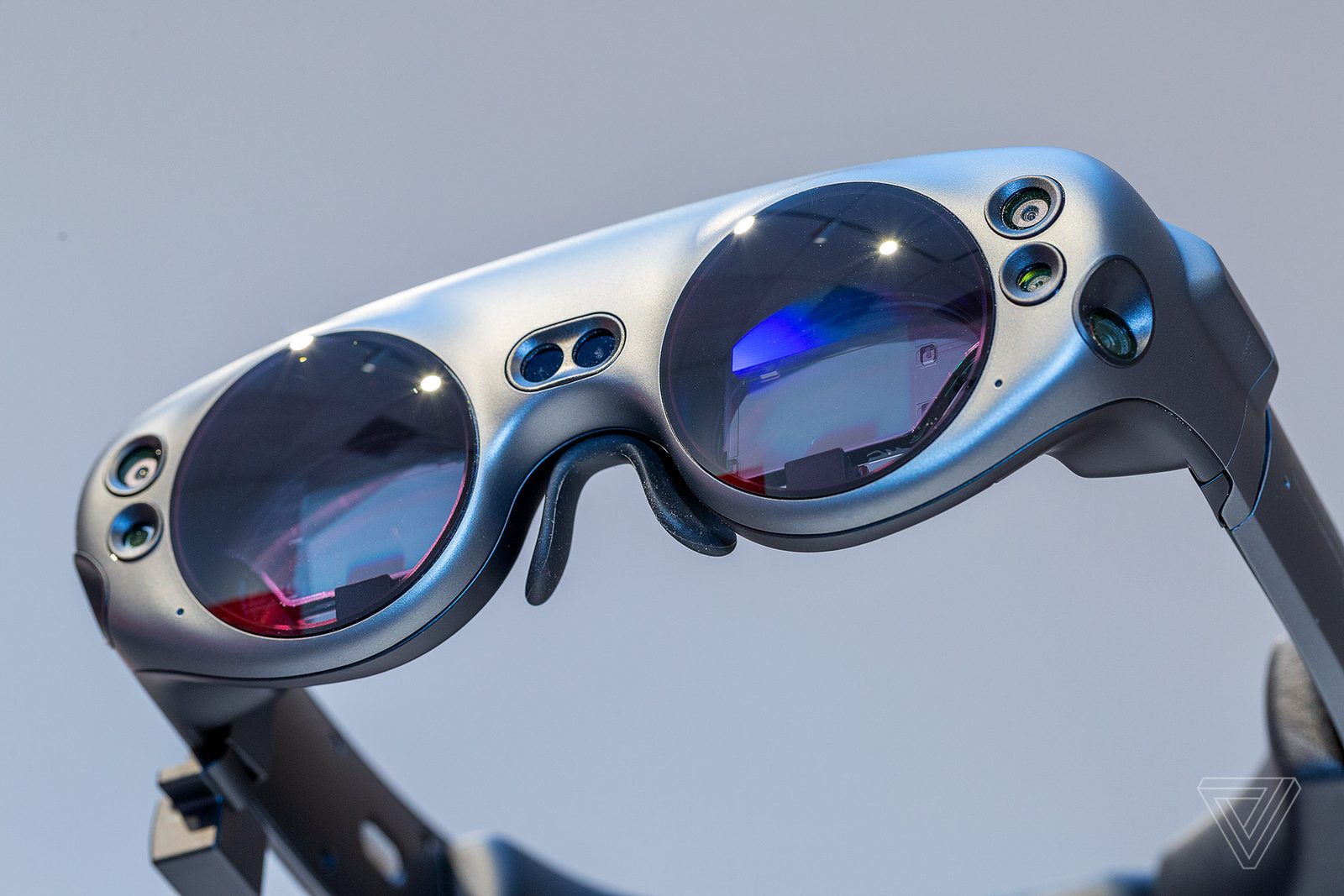
For an agency, this perspective opens a useful discussion about the contribution an experience makes to a brand and its audience. The creative question remains specific: what should a person understand, do or remember? Choosing a device follows that decision.
Recovering the session traces a professional continuity from early advertising websites to interfaces occupying physical space. Tools and formats change, while directing attention and building an intentional experience remain essential parts of the craft.