
Archive recovered in November 2026. The date refers to the original appearance; this text adds context and is not a verbatim transcript.
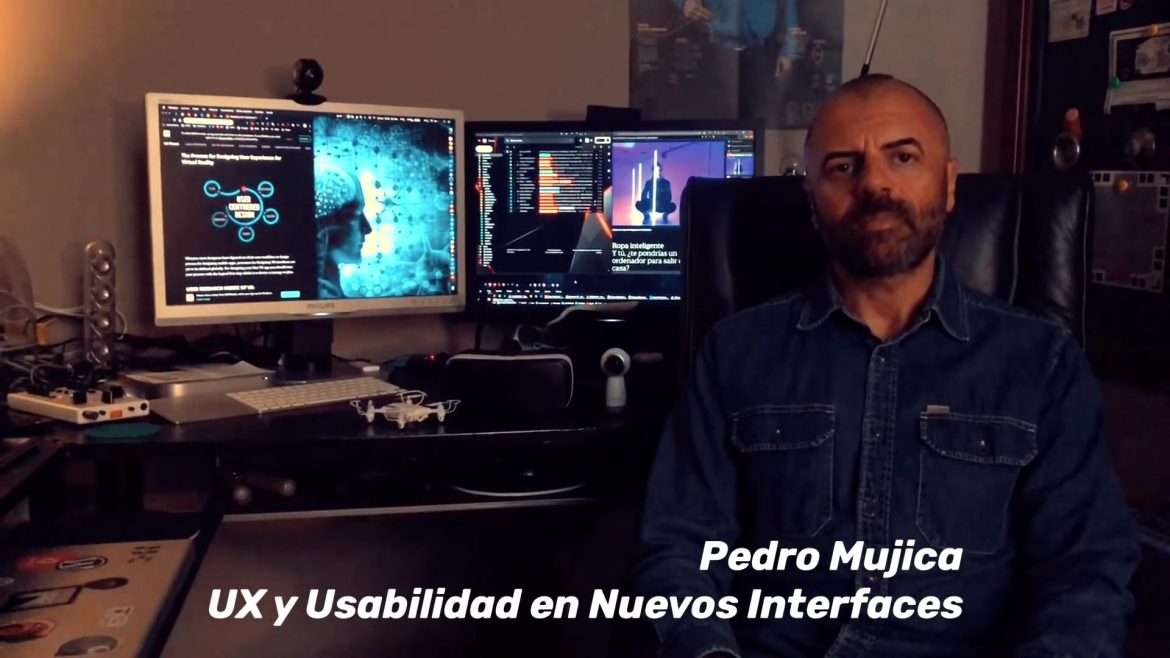
My archive dates the introduction of an extended reality interface design course for EOI in Madrid to 15 May 2019. The activity belonged to the field of usability and user experience and introduced virtual, mixed and augmented reality.
The surviving video presents the educational proposal. It is an introduction, rather than a recording of every session or an entire master’s programme. It appears at the end of this entry, alongside reference images from my XR teaching material of that period.
When the interface occupies space
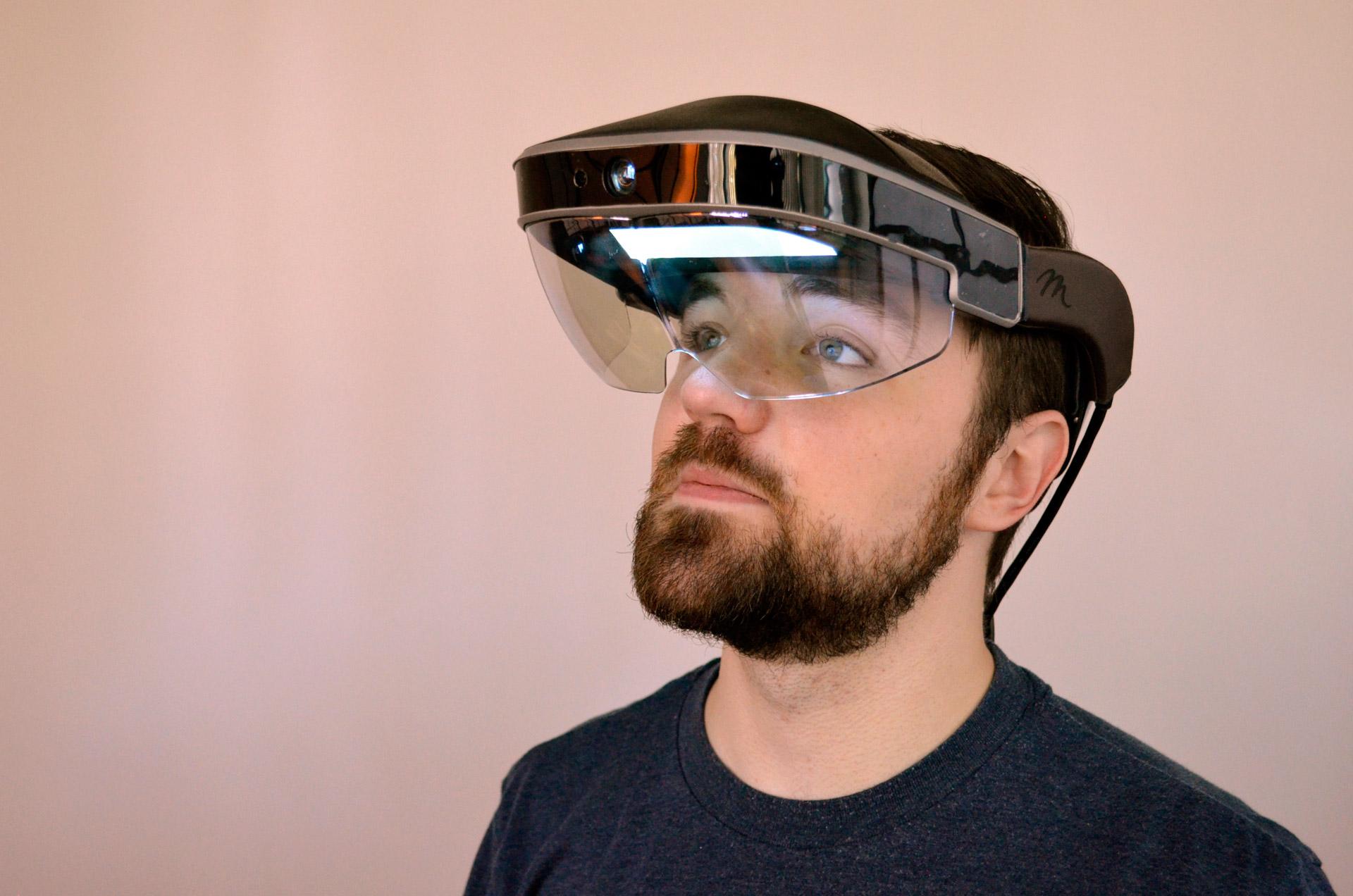
Immersive design requires revisiting decisions that seem settled on a screen. A button can become an object at a particular distance. A menu may follow the body or remain fixed in the environment. The direction of someone’s gaze changes the information available to them.
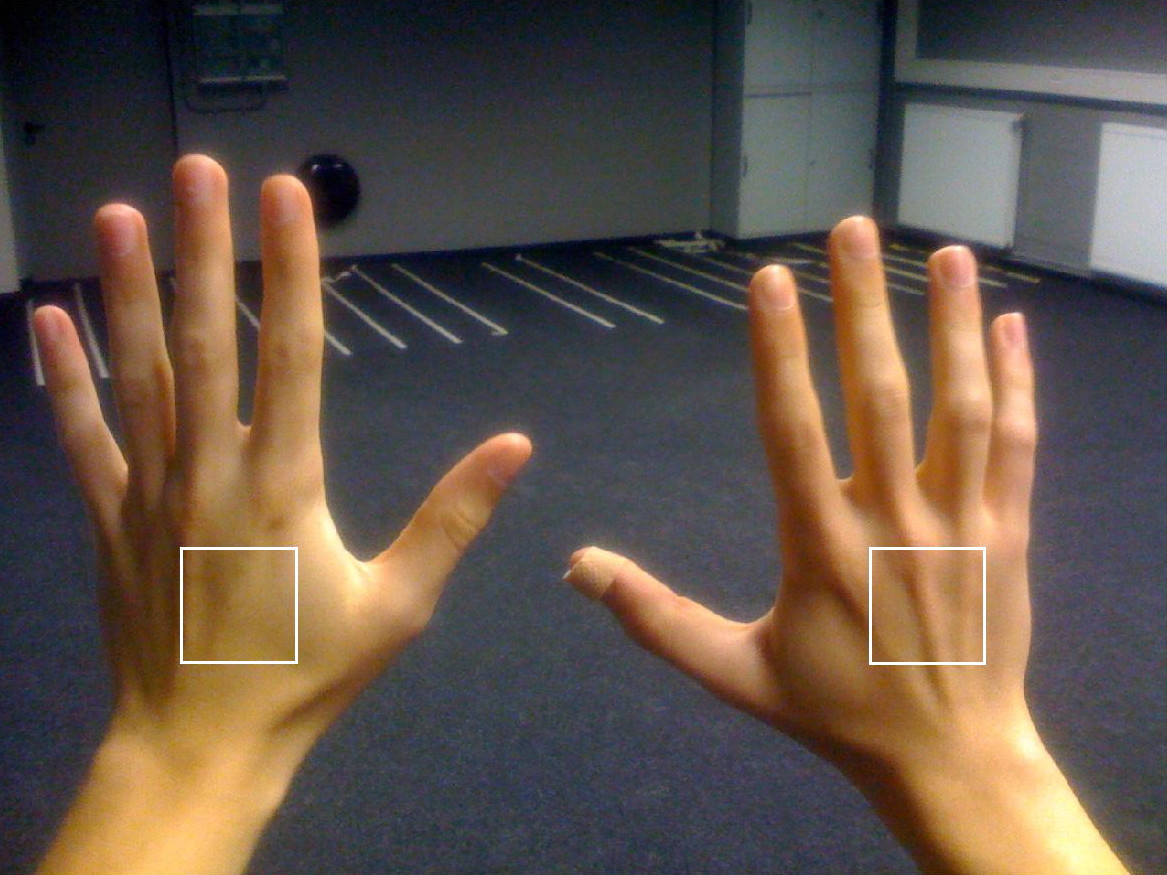
These decisions affect understanding and effort. People need to recognise what they can touch, how to confirm an action and how to reverse it. Even an apparently natural gesture calls for learning, cues and clear feedback.
User experience remains central
A new interface matters when it supports a meaningful activity. Designers must consider physical space, session length, fatigue, available devices and alternatives for people unable to use a particular interaction.
Teaching these questions means connecting them with design practice. Defining a task, making an initial solution, observing its use and revising it remain valuable steps. The medium changes, while the responsibility to understand people continues.
From touching to sensing
This work connects with my appearance at Mundos inmersivos at Fundación Telefónica and with later discussions of human–machine interaction. XR expands the designer’s field of work and demands greater attention to perception, the body and context.
Preserving the EOI introduction places that transition within my teaching trajectory. It also keeps a question open: how can increasingly capable technology remain understandable, useful and accessible to the person using it?