
Archive recovered in November 2026. The header date refers to the original appearance; this entry provides context and is not a verbatim transcript.
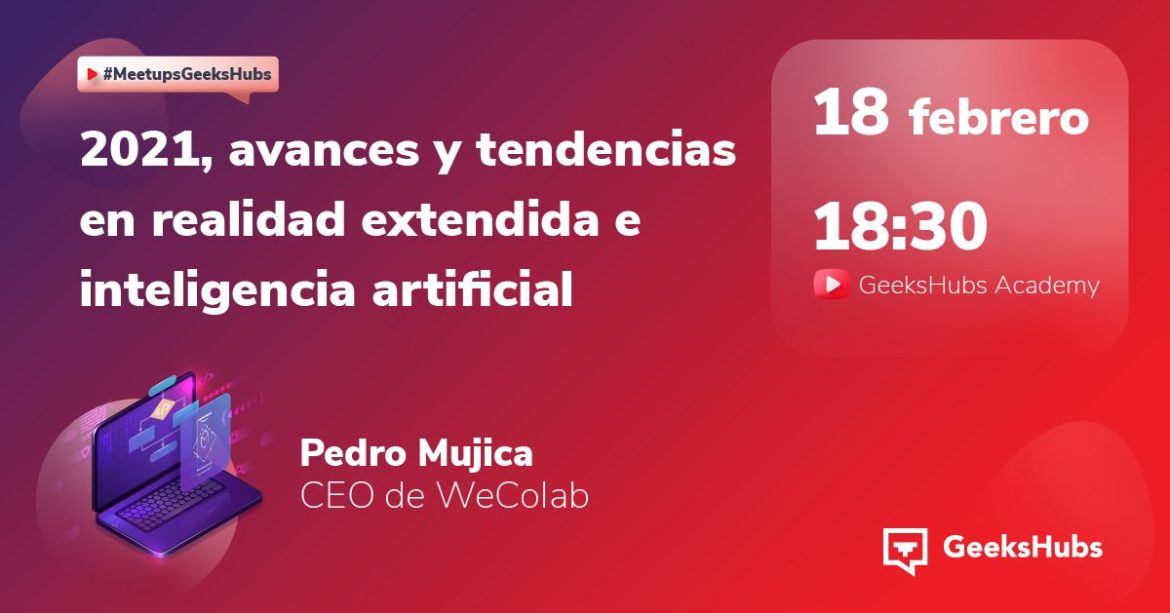
In February 2021 I gave a GeeksHubs Academy webinar about advances and trends in extended reality and artificial intelligence. Both the poster and original presentation filename identify 18 February. That evidence corrects the 16 February reference in the folder and inventory.
The session reviewed a particular technological moment: virtual and augmented reality, environmental recognition, interaction and AI models. The linked video preserves the webinar publication on the Bytes Land channel.
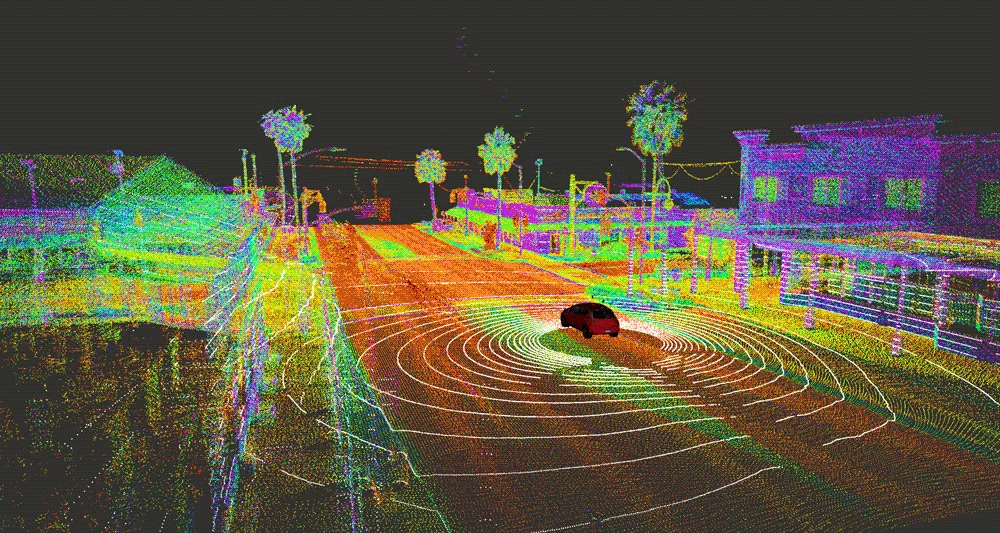
Extended reality needs to understand space
Placing digital information in an environment requires knowing where it belongs and how it relates to its surroundings. Measuring distances, recognising surfaces and maintaining references are different problems from displaying an image on a screen.
The slides discussed persistence and spatial computing. Those concepts help describe experiences that need a comprehensible relationship with a place: directions, objects and content should appear where people expect to find them.
Interaction and context
Gaze, movement and hands can change the relationship with a system. Each mode also introduces conditions: how actions are recognised, what feedback appears and what happens when detection is imperfect.
Experience depends on context too. Training, remote collaboration and cultural visits need different interfaces. Design begins by deciding what support is needed and which information matters.
Reading trends with their date attached
The original material mentioned GPT-3 among language-model developments. The 2020 research paper provides context without attributing later products to the webinar.
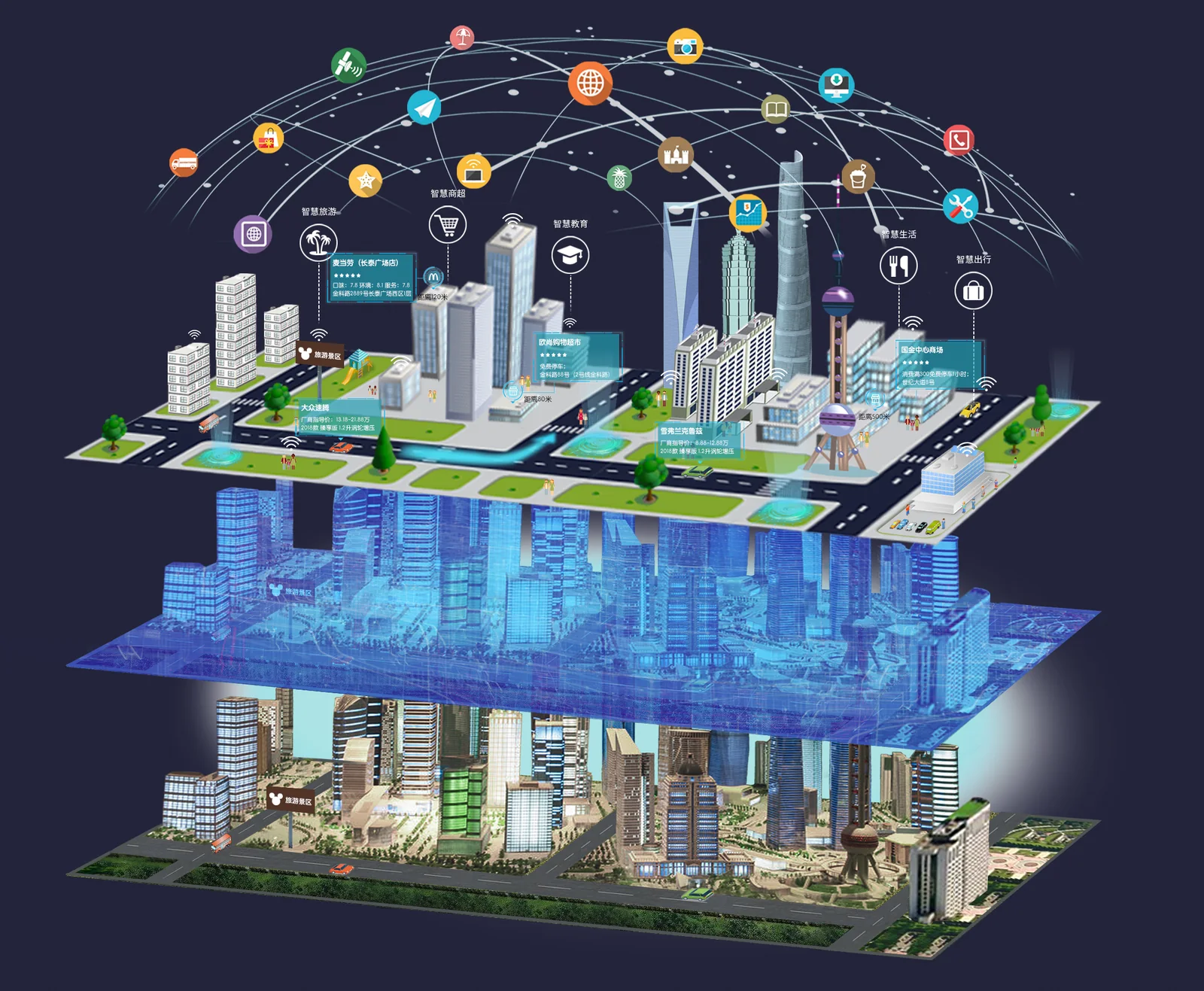
Recovering a trends session is useful when possibilities, demonstrations and established uses remain distinct. This entry preserves the 2021 discussion rather than treating every expectation in its slides as an accomplished result.
Another entry in my career archive: EnlightED 2020 with Fundación Telefónica: XR and AI in corporate learning.