
Archive recovered in November 2026. The header date refers to the original appearance; this entry provides context and is not a verbatim transcript.
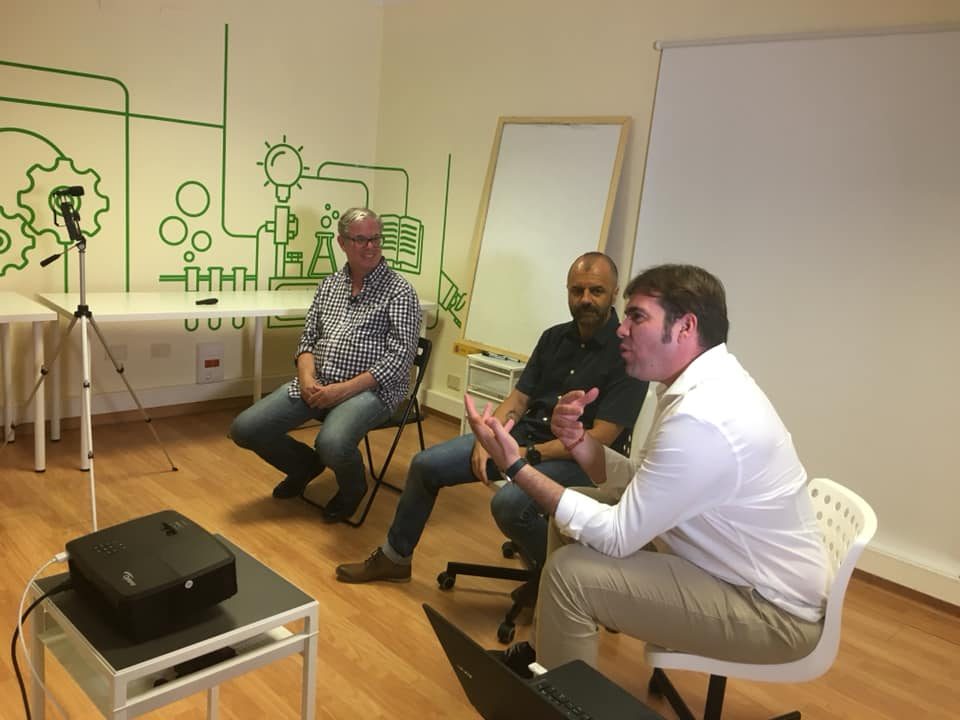
On 10 October 2018 I brought “Machina in China: the success story of a failure” to La Palma in an appearance associated with Escuela de Organización Industrial. The title points to a less glamorous part of innovation: the distance between an appealing idea and a product that can actually be manufactured.
The original presentation preserves the case. Machina explored electronics integrated into clothing; the MIDI Jacket connected bodily movement with musical interaction. The industrial challenge was to make that experience survive the transition from prototype to production.
A prototype is not a production run
The slides describe work beginning in China in 2015 and subsequent integration and finishing problems. Electronic clothing combines different demands: fabric moves, bodies change posture, and components must coexist with seams, connections and repeated use.
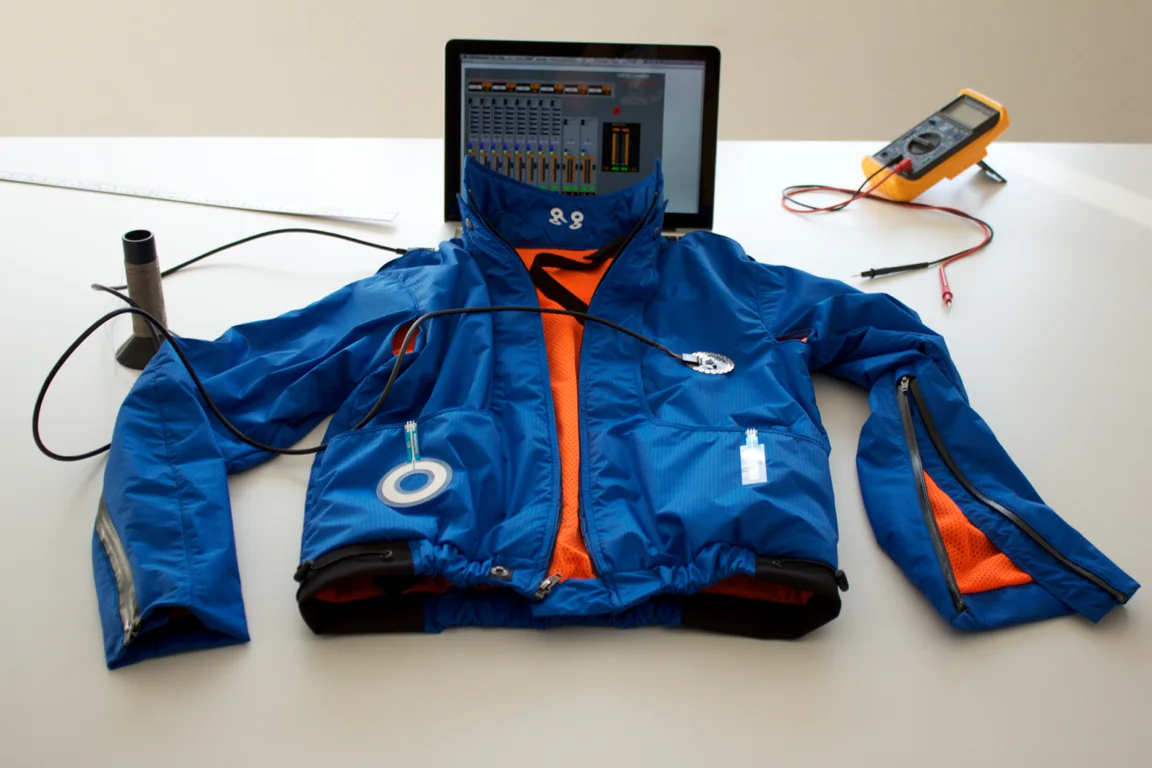
Checking an attractive jacket separately from a circuit board that works on a desk is insufficient. The whole system needs verification. A manufacturer’s experience with that combination matters alongside its ability to produce the individual parts.
Changing the architecture to move forward
The archive describes the move towards OBE, separating technology from the garment. That change made it possible to reconsider which elements needed to remain connected and which could be developed more independently. The slides distinguish electronics work in Shenzhen from later clothing production in Taiwan.
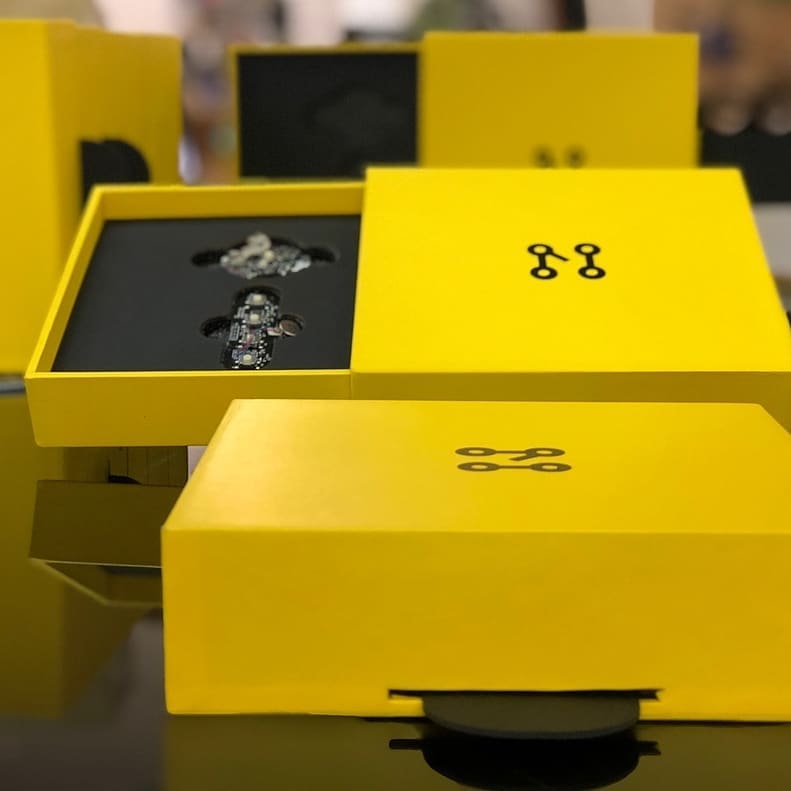
Revisiting this case does not require turning every difficulty into a heroic story. Its value lies in recognising which assumptions stopped holding and which decisions changed in response. Redesign can preserve a purpose when the initial solution proves impractical.
Teams and specialisation
Wearable clothing needs creativity, engineering, industrial design and textile expertise. Coordinating those disciplines means making requirements explicit and deciding how progress will be checked. Enthusiasm helps a project start; clear responsibilities help it reach completion.
This entry recovers the 2018 talk and its working materials. Industrial details belong to that historical account and do not describe Machina’s current operations.
Another entry in my career archive: Machina at TEDxSquareMile, London 2012.