
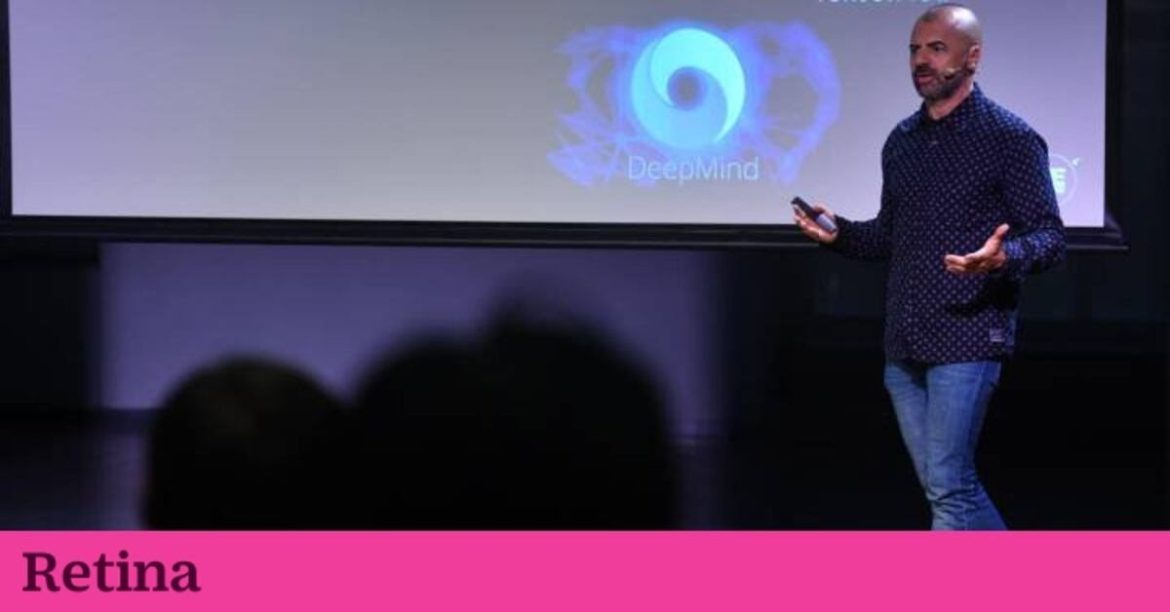
IANética’s 2020 presentation revisits a founding idea: ethics needs a place while decisions about what to build are still being made.
A technology can work exactly as designed and still produce a situation we should not accept. That possibility explains why ethics needs a place in the conversation from the beginning. Adding it after a product is finished means that many of the most important decisions have already become settled facts.
In April 2020, Las Naves, the innovation centre of València City Council, introduced IANética as a technohumanist project concerned with artificial intelligence and the Internet of Everything. The recording preserved in MediaPress, published on 29 April, belongs to that launch period. An El País Retina interview from 27 April also places the project and my involvement in their public context.
A question that needs more than a declaration
Putting technology at the service of people sounds reasonable and is easy to endorse. The difficulty begins when we ask which people, with what ability to intervene and in relation to whose interests. A system can save work for an organisation while transferring inconvenience, surveillance or uncertainty to its users.
Recovering this archive, I want to preserve that practical dimension. Discussing ethics means examining a system’s purpose, the information it requires, the alternatives it excludes and the possibility of correcting a decision. These questions run through design and management; a final screen of terms and conditions cannot settle them.
The city as a place to test the meaning of innovation
IANética’s setting in a public innovation centre matters. Technological decisions affect more than the buyer of a tool. They also concern people whose data are processed, workers whose procedures change and citizens who need to understand an administrative decision.
My technohumanist reading starts there: worthwhile innovation should be explainable through the lives of those who will encounter it. Technical vocabulary may be necessary to build a system. It should not become a barrier that prevents discussion of its consequences.
Recovering the beginning to keep asking questions
This article does not turn the 2020 announcement into an undocumented retrospective list of achievements. It preserves the presentation, a contemporary press reference and the project’s stated purpose. The lead photograph is the image used in the Retina interview, rather than a claimed photograph of the launch event.
Returning to that starting point helps explain the continuity between research, public discussion and professional work. Before asking how much a technology can accelerate, we should ask who can direct that speed. If the answer includes only its developer or buyer, the human conversation remains incomplete.
Sources and archive records
- Pedro Mujica · Archive: press, Archive entry.
- El País Retina, Pedro Mujica: «No conozco ni una tecnológica que se haya preocupado por la ética». Interview published on 27 April 2020.
- Las Naves, Presentación de IANética. Original archive video; no accessible transcript was available for this review.
Related reading from the present archive: Ethics and technology.