
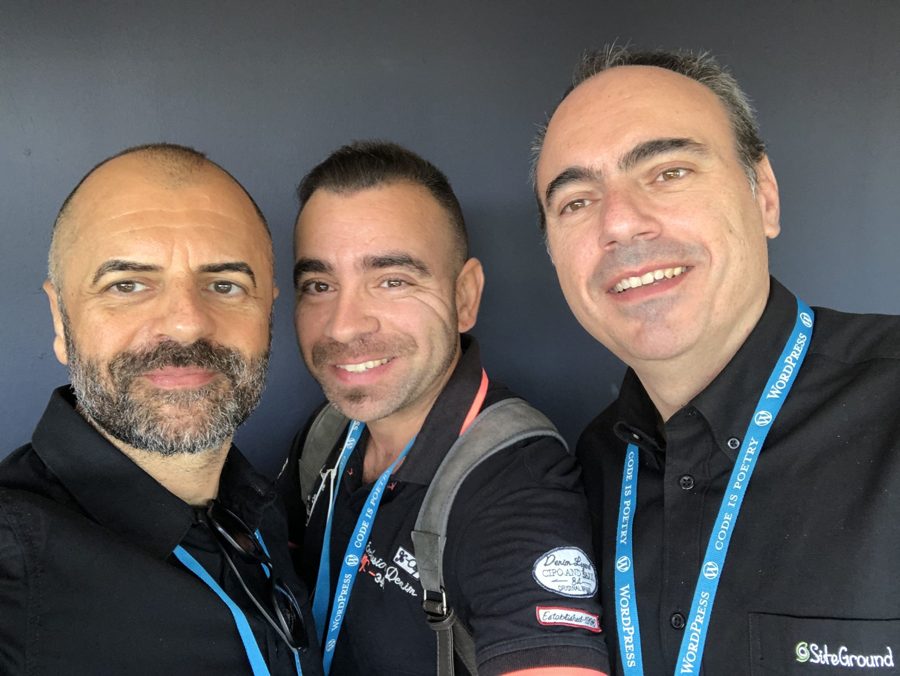
The 2019 recording preserves a specific proposal: an assistant familiar with an author’s archive, style and needs. Revisiting it also means discussing judgement.
There is a moment in this talk worth hearing again. Around minute 21, I describe my ideal of an AI-assisted WordPress: a system able to read years of posts, recognise my way of writing and help prepare content with images, video and other resources. It was not a demonstration of a product that already did all of that. It was a proposal about where editorial work could go.
The talk belongs to WordCamp Las Palmas de Gran Canaria 2019. SiteGround’s contemporary report places the talks at the Elder Museum on Saturday 9 February; Friday the eighth was Contributor Day at the CDTIC. WordPress.tv released the recording on 1 March. The title was “Artificial intelligence in the near future of WordPress”. Revisiting it lets us distinguish what was explained then, what was anticipated and what still needs human judgement.
An archive is more than a collection of posts
Near the end, after discussing applications and plugins, I describe an assistant that could work with an author’s accumulated context. The idea is about more than producing paragraphs. Archives contain relationships: a project explains a conference, an interview develops a concern and a photograph brings us back to a particular situation.
As I reconstruct my career in this blog today, that distinction matters. A system can find matches between documents. Establishing when two references describe the same event, when a date is uncertain or when an image belongs to a different occasion requires editorial work that should remain visible.
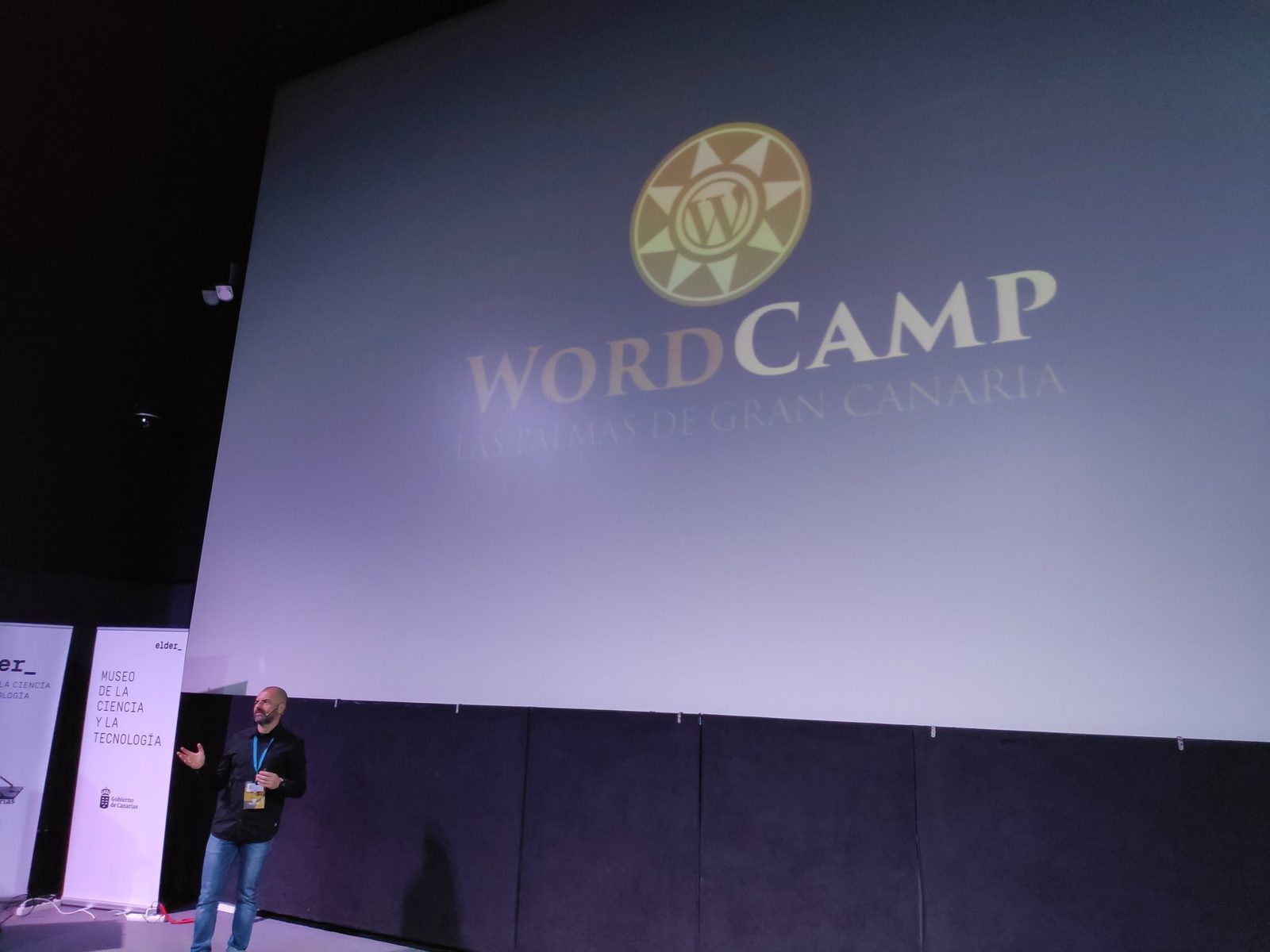
Recognising a style is not the same as accepting responsibility
The recording also shows that ethical questions were part of the discussion with the audience. Recovering that exchange does not require treating every forecast or example from 2019 as valid today. It does show that purpose and limits were already being debated.
For me, the test of a good editorial assistant is not whether it can imitate a voice unnoticed. It is whether it helps preserve the relationship between that voice, its sources and what actually happened. It can suggest a structure and identify a gap. The person whose name appears on the article still has to answer for the result.
This entry preserves the talk and photographs as documents of their time. The accompanying interpretation has been written while recovering the archive. Keeping those layers distinct lets us look back without turning an idea into an infallible prophecy: some questions preceded the product, and remain useful when the product finally arrives.
Sources and archive records
- Pedro Mujica · Archive: speaker, Archive entry.
- WordPress.tv, Pedro Mujica · Archivo de ponencias. Record of the 2019 talk and its recording release date.
- WordPress.tv / YouTube, Grabación de WordCamp 2019. Editorial assistant passage from 21:09; checked against the automatic transcript.
- SiteGround · José Ramón Padrón, WordCamp Las Palmas: un evento muy especial. Organiser’s report: talks on 9 February at the Elder; Contributor Day on the eighth at the CDTIC.
Related reading from the present archive: From tokens to thoughts.