
Archive recovered in November 2026. The date refers to the original appearance; this text adds context and is not a verbatim transcript.
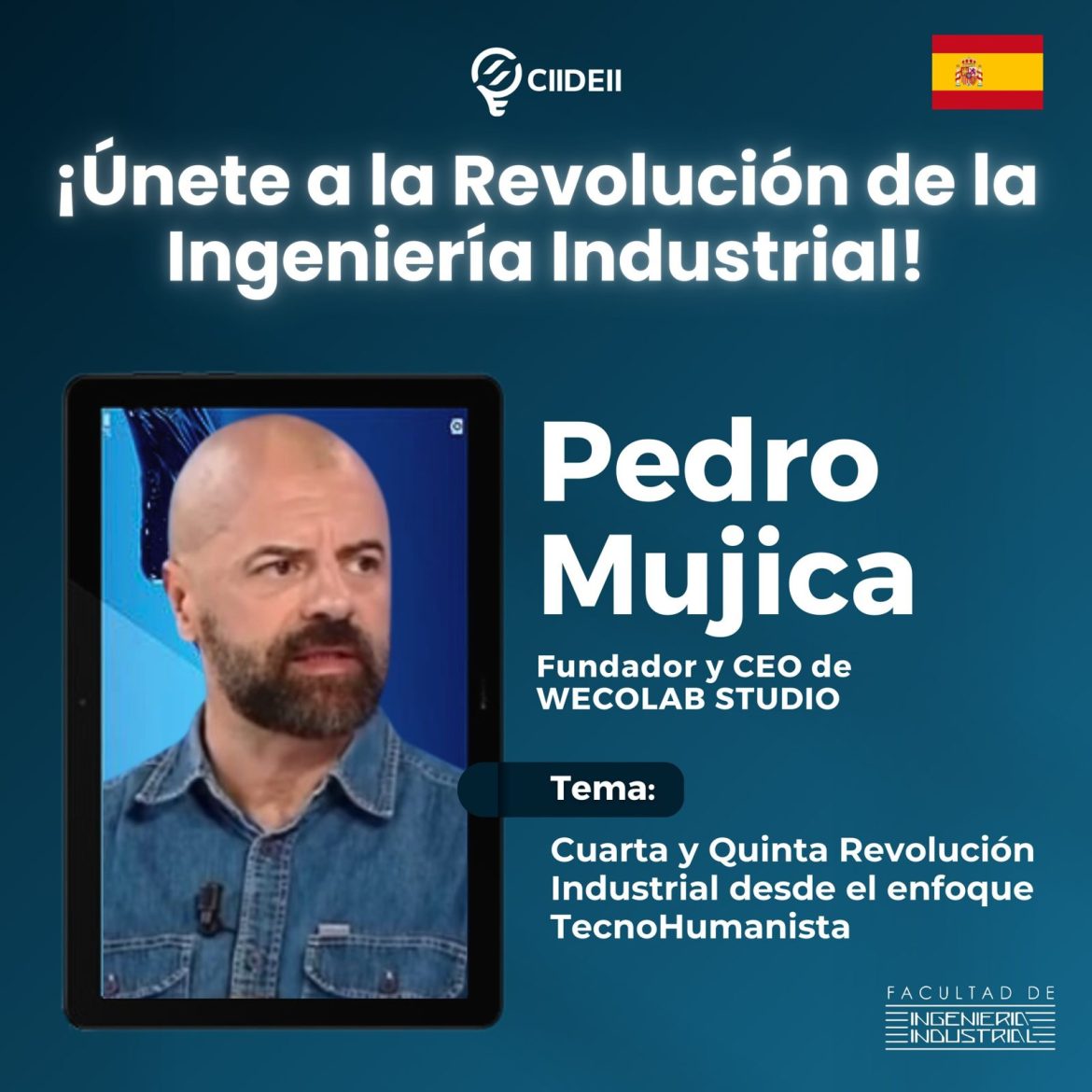
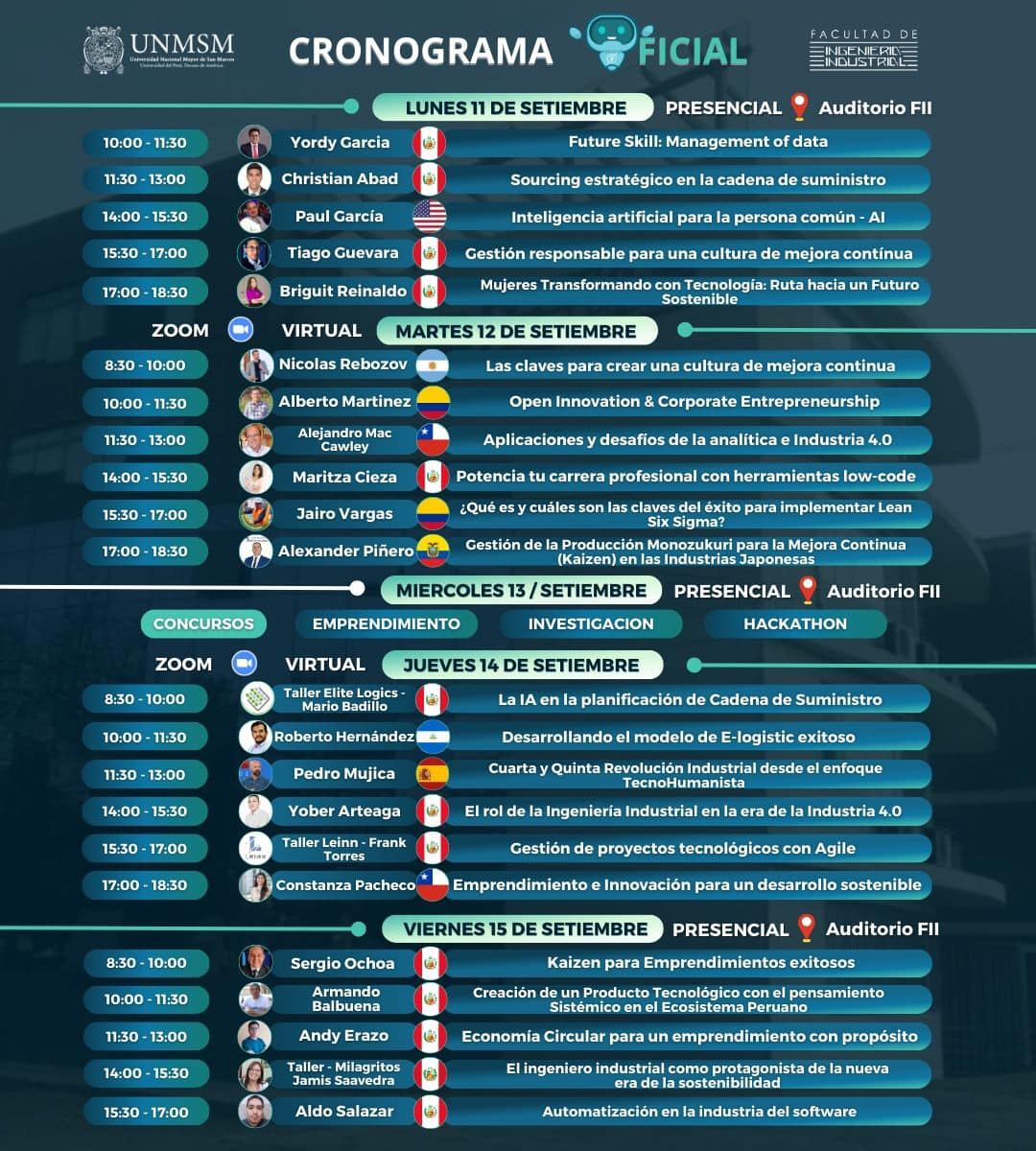
On 14 September 2023 I participated online in CIIDEII, the International Congress of Research and Development in Industrial Engineering at Universidad Nacional Mayor de San Marcos in Lima, Peru. The original programme places my session at 11:30–13:00 and names it “Fourth and Fifth Industrial Revolutions through a Technohumanist Approach”.
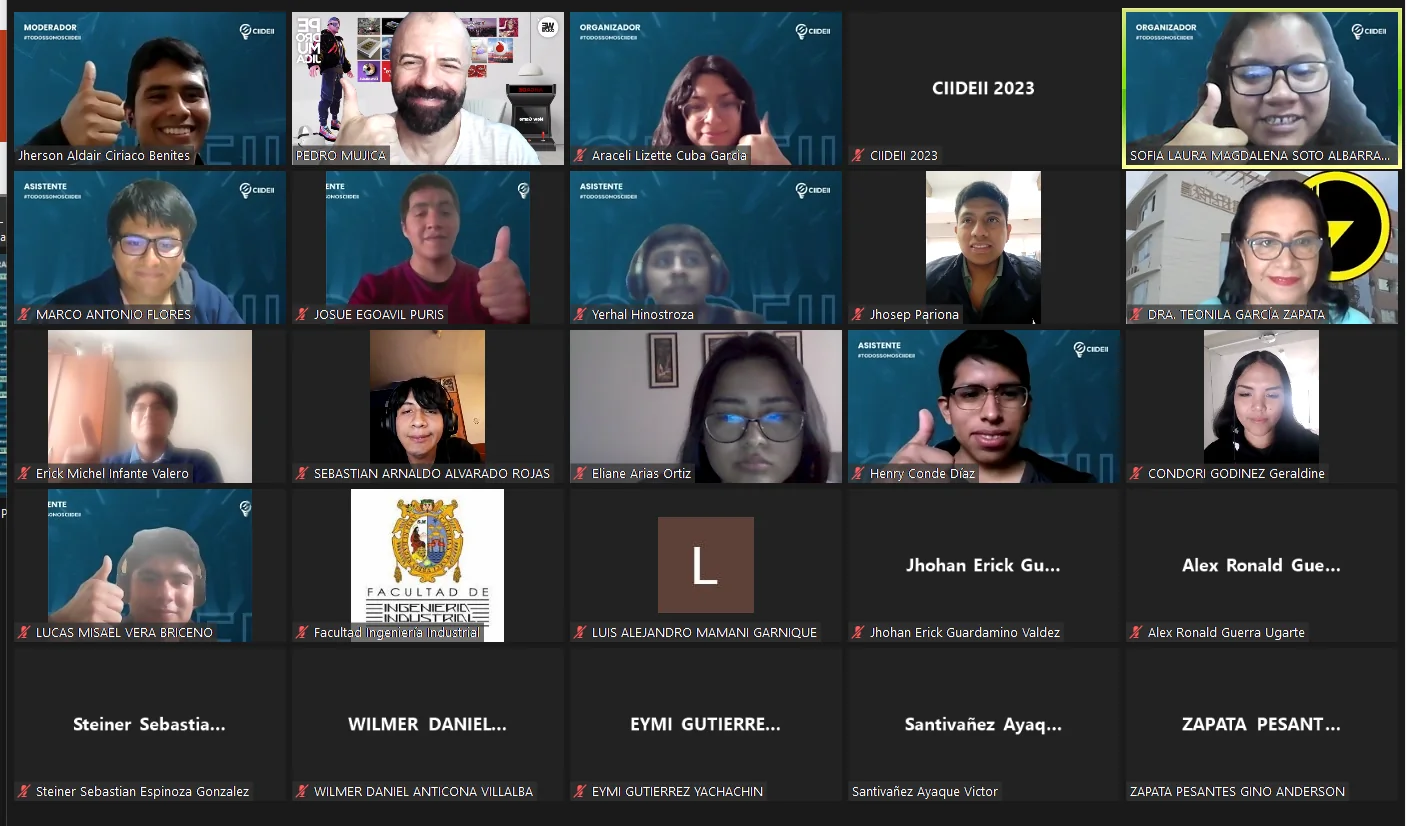
The poster, schedule and meeting screenshot support that identification. They clarify the institution and subject, which the old archive description had confused with a talk about 5G. This was a remote appearance, rather than a visit to Lima.
Industry connects systems and people
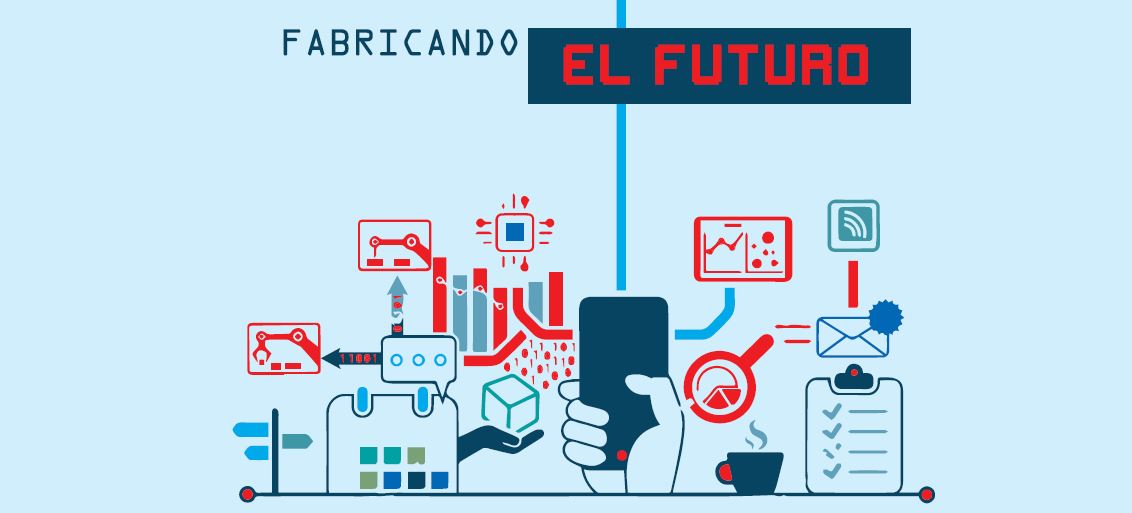
Industrial digitalisation brings together processes, data, machines and human decisions. Understanding the relationship requires looking at the whole. An improvement in one area can create difficulties elsewhere if the movement of information and the people acting on it are overlooked.
The preserved material explores connected industry technologies, production and opportunities for change. That map becomes useful when related to people’s capabilities and the conditions of their work.
What a technohumanist approach contributes
Technohumanism helps articulate the purposes of innovation. Which activity should improve? Which capabilities should be protected? Who will answer for decisions? These questions can accompany a project from the beginning.
In industrial engineering they have practical implications: training, task design, understandable interfaces and participation by people who know the operation. Their experience provides information a technical proposal can miss when it concentrates on indicators alone.
An international classroom conversation
The meeting screenshot preserves the session’s shared character. The online format made an exchange about technology and industry possible with a Peruvian university community, connecting different professional settings.
Recovering the documents also improves the memory of my trajectory. A date and a poster may appear minor details, yet they distinguish one event from another. They help build an account in which institutions, subjects and people retain their correct place.