

Archive recovered in November 2026. The date refers to the original appearance; this text adds context and is not a verbatim transcript.
On 17 October 2017 Ciencia Canaria published an interview with me in connection with ACIISI and CODECAN virtual reality workshops. It provided an opportunity to take the discussion about extended reality beyond specialist circles and towards people interested in learning to work with these tools.
The interview addressed education, tourism and new forms of interaction. The Telefónica Chair at ULPGC also circulated the workshop announcement. Together these sources place the activity in a specific educational setting in the Canary Islands, when many participants were encountering XR through practical work for the first time.
Understanding what changes with the interface
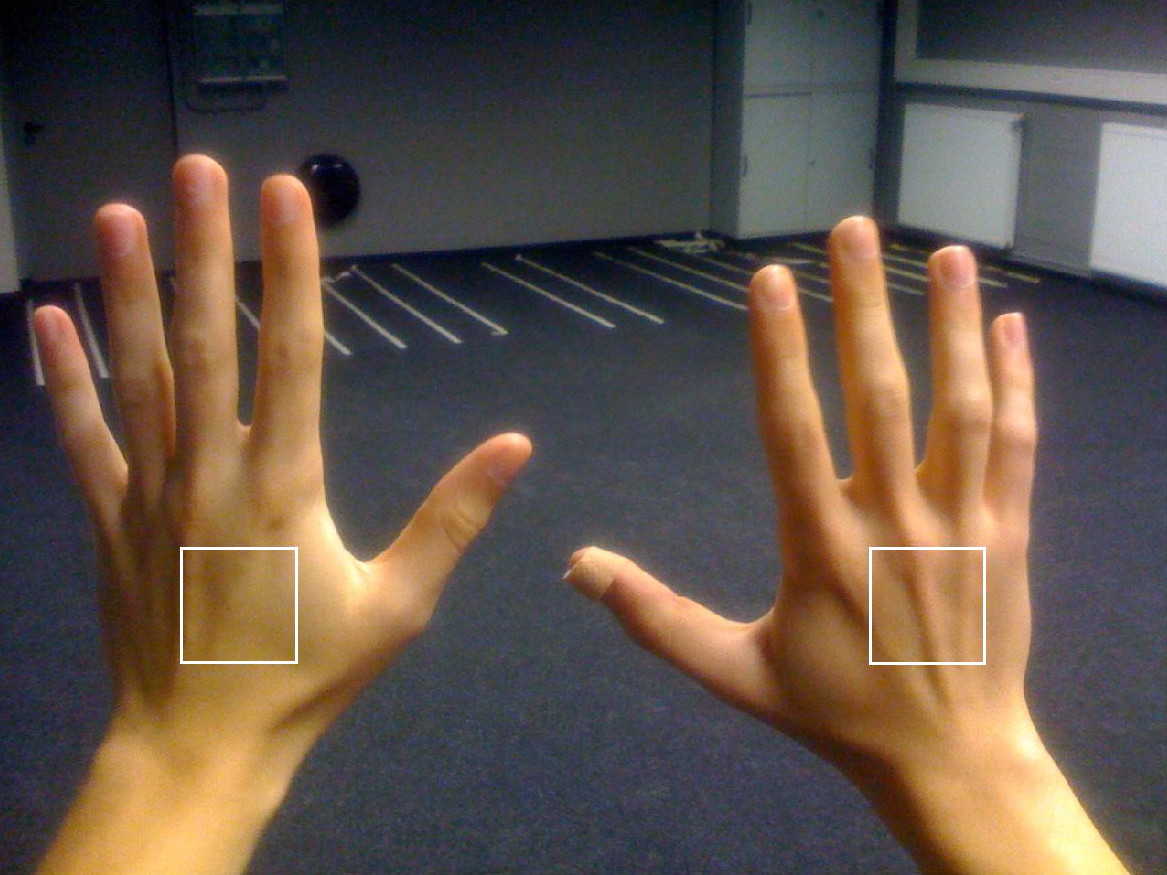
On a conventional screen, much of the interaction takes place inside a rectangle. An immersive experience also calls for decisions about distance, orientation, scale, movement and attention. The body participates differently, and design must account for this from the outset.
Teaching technology means exploring that difference. Trying a device can arouse curiosity; understanding its possibilities requires connecting it with an activity and a need. What will a person be able to do more easily? How will they recognise a successful action? What support will they need at the beginning?
Learning in order to choose
Introductory education becomes valuable when people leave able to ask better questions. Distinguishing an impressive demonstration from a useful experience helps them assess proposals, request explanations and begin creating with greater independence.
I do not present the interview’s market forecasts as current figures. The purpose of revisiting it is to recover an interest in building capabilities: explaining the language, experimenting with tools and relating technology to education, communication and services.
A continuing line of work
The workshops belong to a trajectory that continued through teaching and conferences on interfaces and extended reality. That connects with the EOI and COIICO sessions recovered in this archive: learning to design the relationship between people and digital environments.