
Archive recovered on 23 November 2026. The header date refers to the original broadcast on 13 September 2020. The accompanying editorial reflection is contemporary.
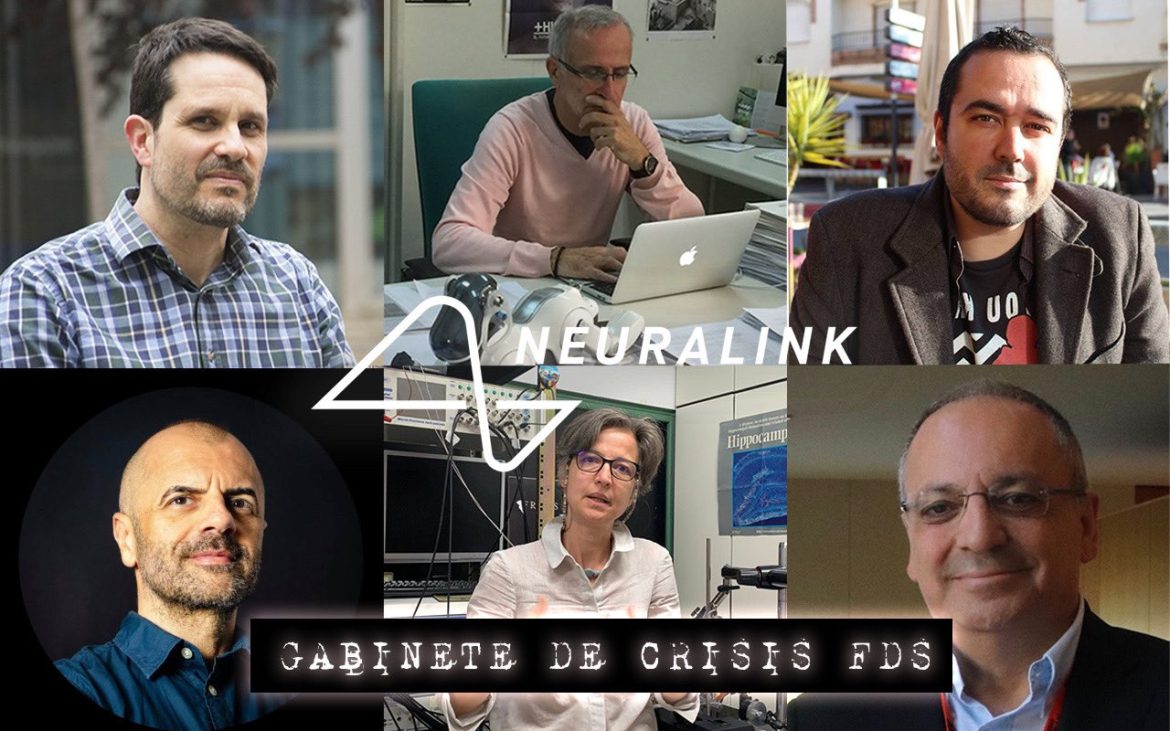
Revisiting my contribution to Fallo de sistema 417 with neuroscience, AI and philosophy specialists, to examine brain–computer interfaces from a technohumanist perspective.
In September 2020, as the pandemic reshaped our relationship with physical presence, another technological frontier entered the conversation: connecting the brain to a computer. On 13 September I took part in episode 417 of Fallo de sistema, devoted to Neuralink and conceived as a discussion across disciplines. Returning to that programme takes us back to a moment when a technical demonstration was beginning to become, for part of its audience, a promise about the future of the mind.
Looking beyond the announcement
RNE’s programme page lists Juan Lerma, Ramón López de Mántaras, Liset Menéndez de la Prida, Manuel González Bedia, Santiago Sánchez-Migallón and me. Neuroscience, artificial intelligence, philosophy and technohumanism brought different perspectives. My participation was introduced through IANética, then linked to Las Naves in Valencia.
That combination is what I want to preserve about the encounter. When a technology affects our bodies, explaining the device is only part of the discussion. We also need to ask what expectations it creates, who interprets its results and how far an experimental possibility remains from something a person could use safely.
RNE · Radio 3 · 13 September 2020 · 59:01 · Original audio in Spanish
What Neuralink was showing at the time
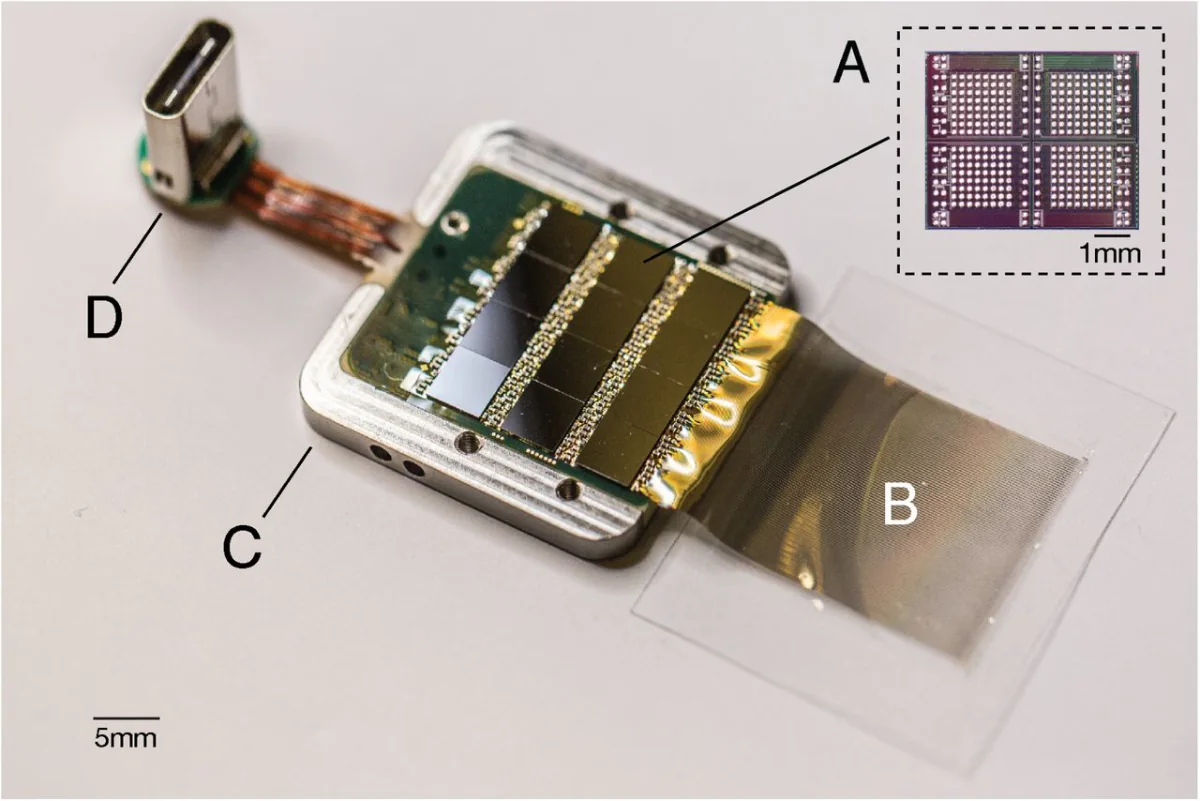
The technical context has a date. Neuralink’s 2019 paper in JMIR described an experimental system involving electrode threads, robotic insertion and electronics for recording neural activity. The publication provides a route into the engineering behind the headlines, without turning the project’s ambitions into clinical results.
In a later explanation, published in April 2021, the company summarised its 2020 demonstration: wireless recording of signals associated with touch in pigs. That later source helps document the context, but should not be confused with something we had already discussed in the September broadcast. Nor does it demonstrate that a device understands a person’s entire experience.
Recording a signal is not reading a life story
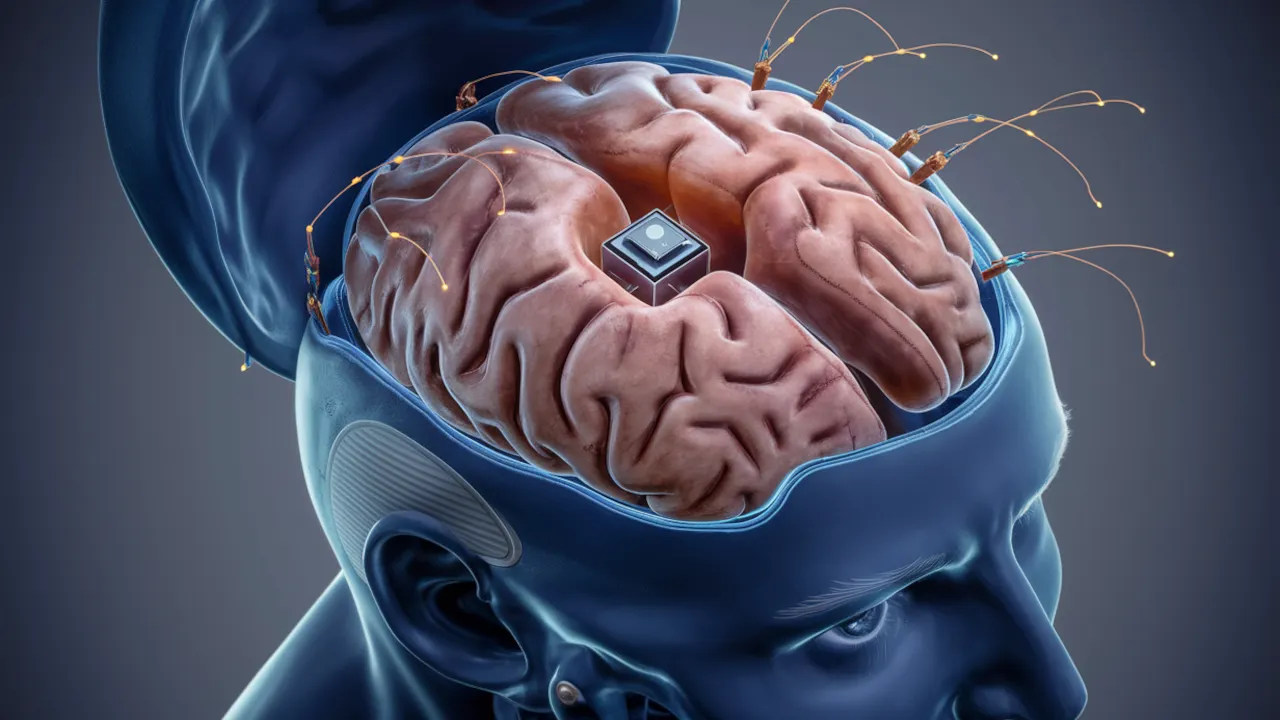
There is an essential distinction between capturing activity, learning to associate it with a task and understanding what it means to live through an experience. My technohumanist reading of this archive starts with that gap. The metaphor of “reading the mind” may be compelling, but it can conceal questions about calibration, context, interpretation and limitations.
Imagination can help open new paths for research. The problem arises when we stop distinguishing an observed demonstration from the future we hope for or fear. In a subject as intimate as the brain, that distinction should be part of public communication from the first explanation.
Autonomy belongs in the design
The reflection accompanying this recovered archive does not assign new statements to the guests. It offers questions for listening again: what ability is the system intended to restore or extend? What data does it need? Who interprets that data? What opportunities does the person have to decide, stop or change a system they depend on?
From a technohumanist perspective, an interface’s value includes the autonomy it makes possible. Technology intended to serve people needs a discussion about its purposes alongside the discussion about its performance. Who can benefit from an innovation, and under what conditions, matters as much as an impressive demonstration.
That is why the original subtitle, “a multidisciplinary approach”, remains a useful invitation to listen. The broadcast belongs to 13 September 2020; this editorial recovery is contemporary. This Neuralink episode is separate from episode 850, “The death of reality”, broadcast in 2026. Keeping them distinct makes the development of both conversations easier to understand.
A post-2020 perspective: autonomy in everyday life
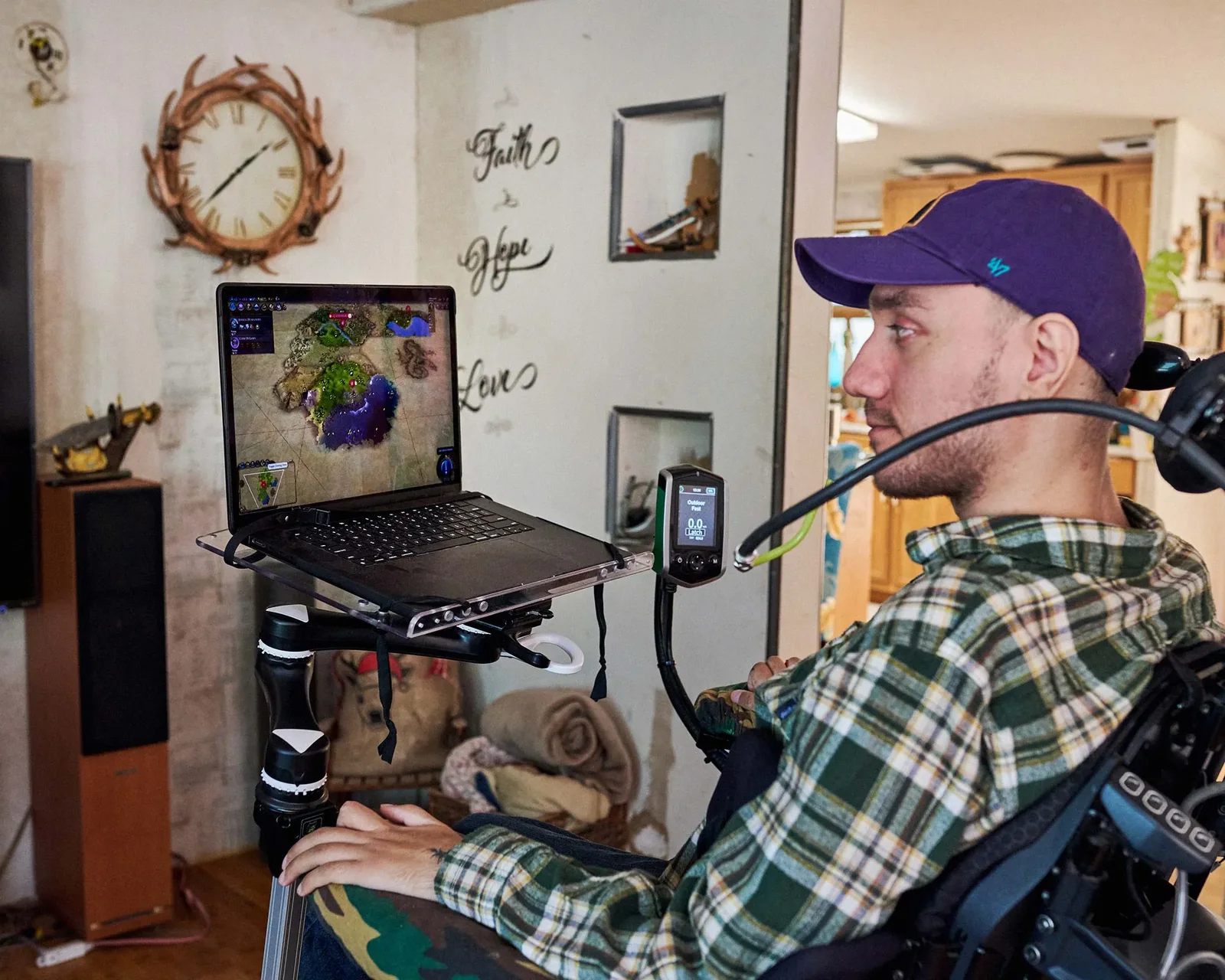
The Radio 3 discussion took place in 2020. This recovery adds a later perspective: in its PRIME Study update of 8 May 2024, Neuralink described its first participant using a computer and playing video games. This context postdates the programme and returns us to the question of autonomy.
Sources and documents
- RNE / Radio 3 · Fallo de sistema 417 · 13/09/2020
- Neuralink · An Integrated Brain-Machine Interface Platform With Thousands of Channels · 2019
- Neuralink · Pager Plays MindPong · 2021
- Pedro Mujica · MediaPress
Another conversation with RNE: Fallo de sistema 850: The death of reality.